Why Your P-Trap Is One of the Most Important Parts Under Your Sink
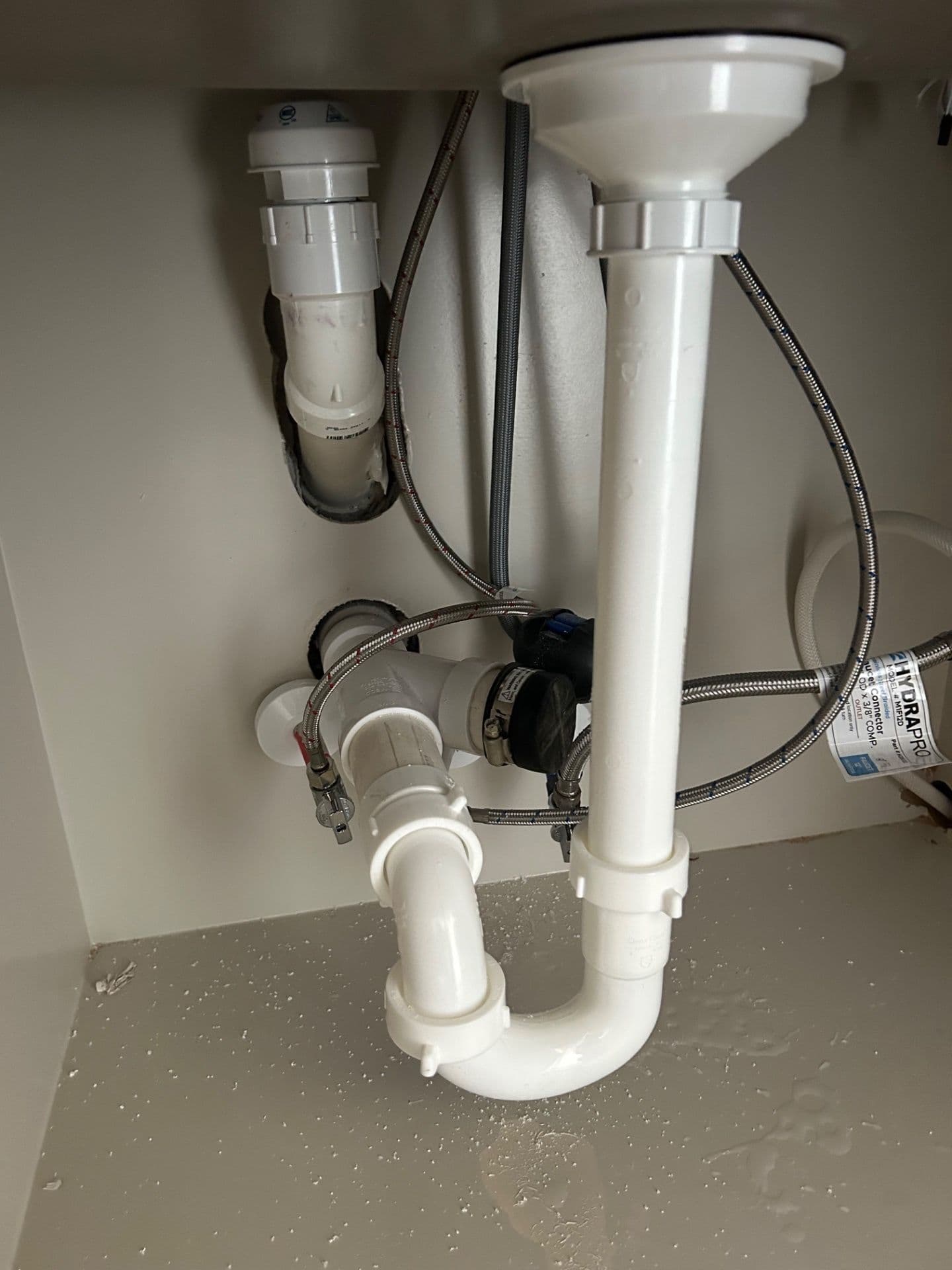
Most people never think about what's going on under their sink - until something goes wrong. A slow drain, a mystery leak, or that faint sewer smell that just won't quit. Nine times out of ten, the culprit is something small. And the P-trap is usually at the center of it.
The P-trap is that curved pipe section sitting beneath your sink drain. It holds a small amount of water at all times, and that water acts as a seal. It blocks sewer gases from traveling back up through your drain and into your home. Simple concept, big job. When it's installed wrong, comes loose, or dries out, you'll know - because your kitchen or bathroom will start smelling like it belongs in a utility tunnel.
We see a lot of under-sink setups that were either thrown together without much thought or had issues develop over time. Connections that weren't seated properly, pipes that were the wrong size, or drain assemblies that were patched together with whatever was on hand. Getting it right means the drain flows clean, nothing leaks onto the cabinet floor, and sewer odors stay where they belong - outside.
This is also the kind of work that overlaps with our drain cleaning services. If a slow drain isn't clearing up, sometimes it's not just a clog further down the line - it's a drainage configuration issue right at the trap itself. We look at the whole picture, not just the obvious symptom. That's what separates a real fix from a temporary one.
Small repairs like this don't get a lot of attention, but they make a real difference in how your home functions day to day. If your sink is draining slow, you've spotted moisture in the cabinet below, or there's an odor you can't track down, it's worth having someone take a look. These things don't fix themselves.