Kitchen Sink Sewer Line Repair Done Right in Lubbock
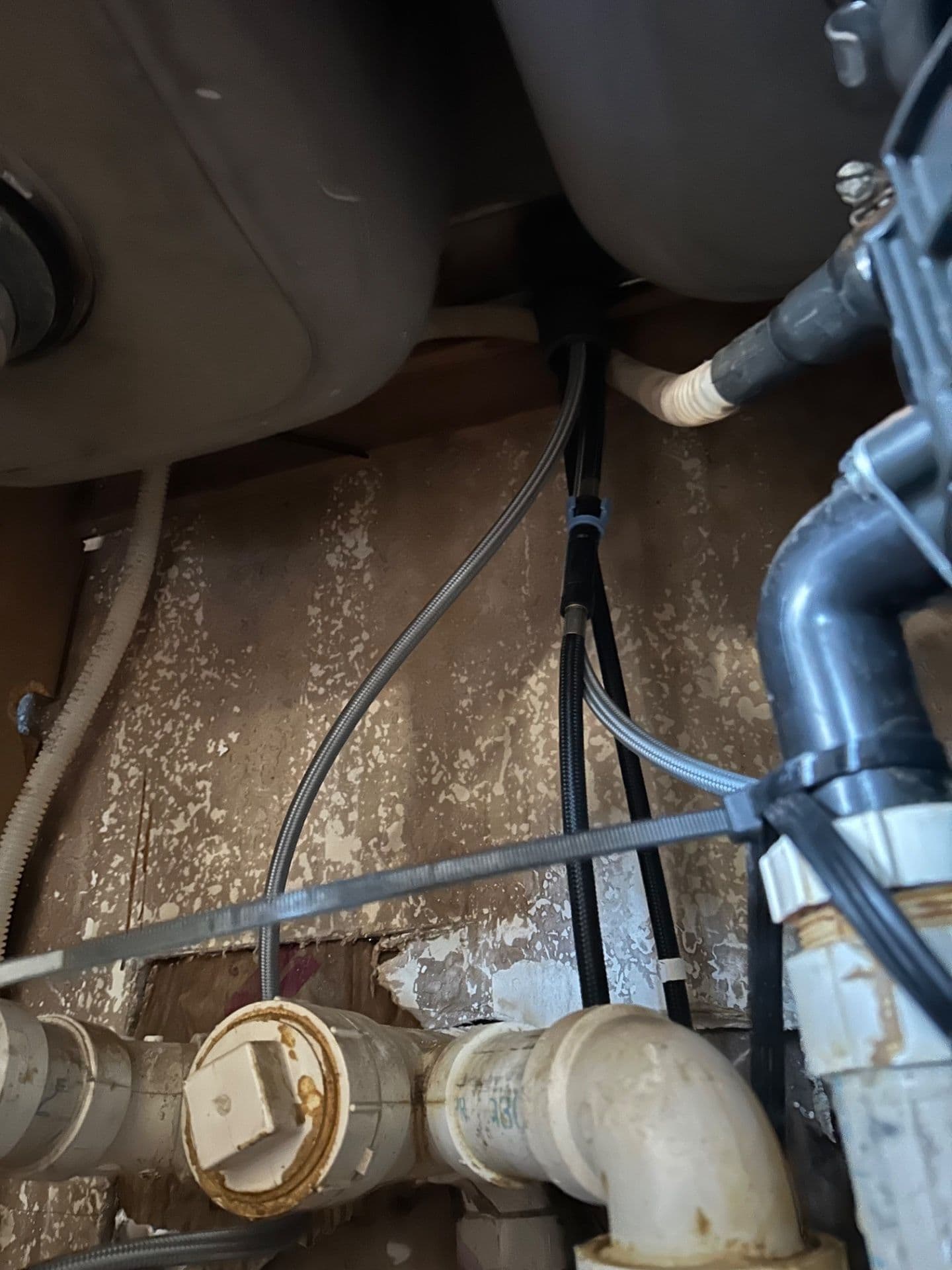
That cabinet under your kitchen sink - most people never open it unless something goes wrong. And when something does go wrong, it usually makes itself known pretty fast. A slow drain, a bad smell, maybe a little moisture where there definitely shouldn't be any. That's where we came in on this one.
We were dealing with a sewer line issue right under the kitchen sink. The kind of thing that looks minor on the surface but can spiral into a much bigger problem if you let it sit. Damaged or failing drain lines under a sink don't just cause slow drainage - they can leak into the cabinet floor, create moisture damage behind the walls, and even back up into the rest of the house.
What you're looking at here is the area directly beneath the sink - the drain connections, the supply lines, all of it tucked into a tight space that most homeowners never think about until there's trouble. We got in there, identified exactly what needed to be repaired, and got that sewer line back to working the way it should. No guessing, no band-aid fixes.
This is exactly the kind of work where leak detection matters. Finding the source of the problem - not just treating the symptoms - is what keeps a small repair from turning into a major job. A smell you can't place or a drain that's slower than usual are signs worth paying attention to early.
The bottom line is that your kitchen sink gets used multiple times a day. When the line underneath it isn't right, it's only a matter of time before you're dealing with something a lot messier than a slow drain. Catching it early is always the smarter call.