Water Heater Maintenance Tips for Lubbock Homeowners
Learn critical maintenance tips for your water heater in Lubbock. Prevent sediment buildup and more with expert guidance for both tank and tankless systems.
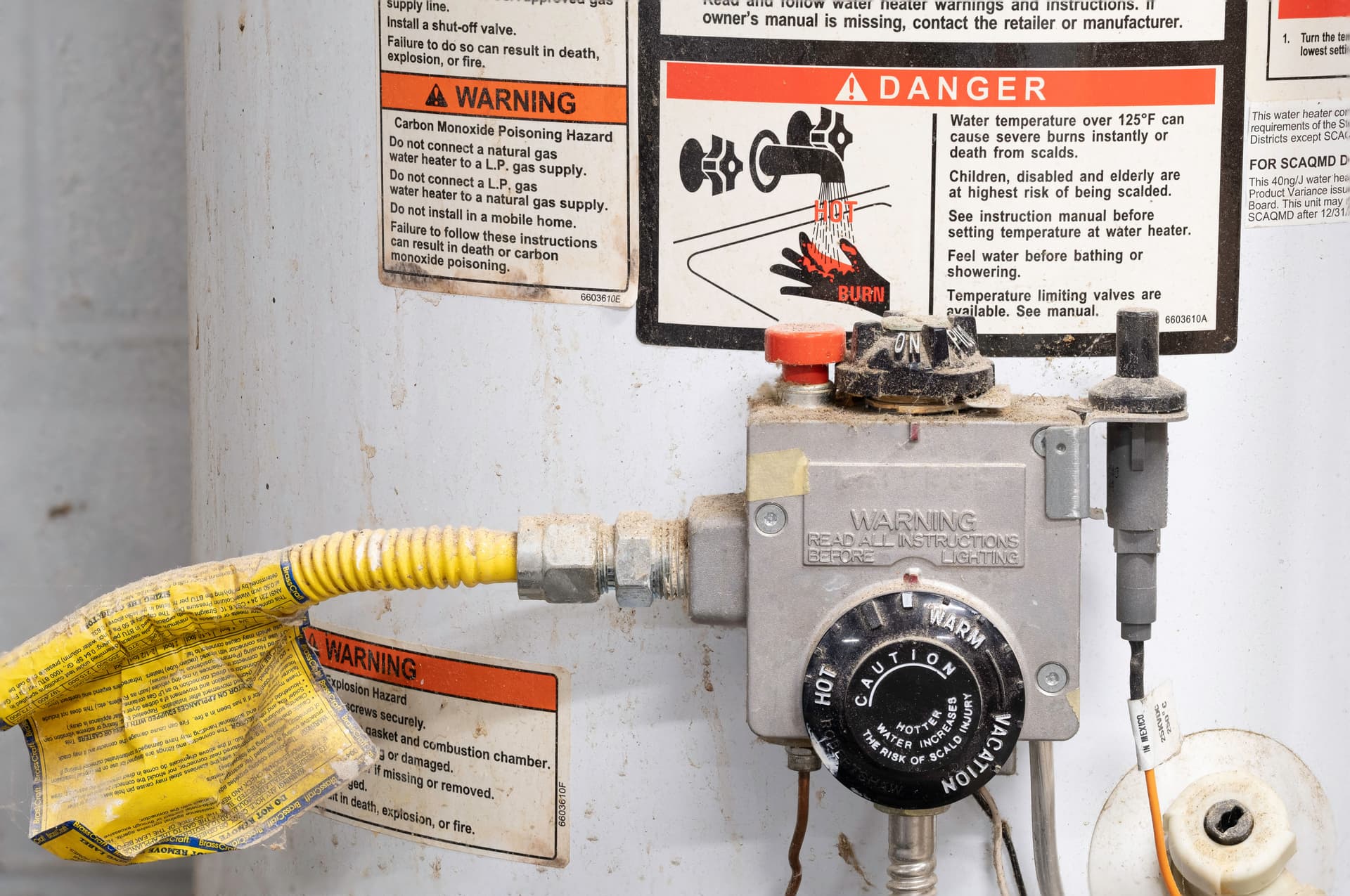
Your water heater is one of the hardest-working appliances in your home, providing hot water for showers, dishes, laundry, and more. In Lubbock's hard water conditions, regular maintenance is even more critical to prevent sediment buildup and extend your system's lifespan.
Tank Water Heater Maintenance
1. Flush the Tank Annually
Lubbock's hard water causes mineral deposits to accumulate at the bottom of your tank. This sediment reduces efficiency and can cause premature failure.
Turn off power (electric) or set gas valve to "pilot"
Connect a garden hose to the drain valve
Drain 2-3 gallons until water runs clear
For heavily sedimented tanks, drain completely
2. Test the Pressure Relief Valve
The T&P (temperature and pressure) relief valve is a critical safety device that prevents tank explosions.
Lift the lever and let it snap back
You should hear a gurgling sound as water releases
If no water comes out or the valve leaks afterward, replace it immediately
3. Check the Anode Rod Every 3 Years
The anode rod sacrifices itself to prevent tank corrosion. In Lubbock's hard water, these rods deteriorate faster.
Located on top of the tank (may be under a cap)
Replace if more than 6 inches of core wire is exposed
Typical lifespan: 3-5 years in Lubbock
4. Insulate the Tank and Pipes
Insulation reduces heat loss and lowers energy bills, especially important during Lubbock's cold winter nights.
Use a water heater blanket (R-10 or higher)
Insulate first 6 feet of hot and cold pipes
Don't cover the thermostat, burner, or T&P valve
Tankless Water Heater Maintenance
1. Descale Annually (Critical in Lubbock)
Tankless units are extremely sensitive to mineral buildup. Lubbock's hard water requires annual descaling to prevent damage.
Use a descaling kit with white vinegar or citric acid solution
Circulate solution through the unit for 45-60 minutes
Flush thoroughly with clean water
Professional descaling recommended for warranty compliance
2. Clean the Inlet Filter
The inlet screen filter catches sediment before it enters the heat exchanger.
Check every 3-6 months
Remove and rinse under water
Replace if damaged or heavily clogged
3. Inspect Venting System
Proper venting ensures safe operation and prevents carbon monoxide buildup.
Check for obstructions (bird nests, debris)
Ensure vent pipes are properly sealed
Look for signs of corrosion or damage
Warning Signs You Need Professional Service
Rusty or discolored water - May indicate tank corrosion
Rumbling or popping sounds - Excessive sediment buildup
Leaking around the base - Internal tank failure
Inconsistent water temperature - Thermostat or heating element issues
Age over 10 years (tank) or 15 years (tankless) - Consider replacement
Lubbock-Specific Considerations
Our West Texas climate and water conditions create unique challenges:
Hard Water: Lubbock has some of the hardest water in Texas (250-350 ppm). Consider installing a water softener to dramatically extend your water heater's life.
Temperature Swings: Set your thermostat to 120°F in summer, 125°F in winter for optimal efficiency and safety.
Freeze Protection: Insulate pipes in unheated areas and consider a recirculation pump for instant hot water.
Dust and Dirt: Keep the area around your water heater clean, especially for gas units that need proper air flow.
Professional Maintenance Schedule
While DIY maintenance helps, professional service ensures thorough inspection and catches problems early:
Tank water heaters: Professional inspection every 2-3 years
Tankless water heaters: Professional descaling and inspection annually
All systems: Immediate professional service if you notice warning signs
Need Professional Water Heater Service in Lubbock?
Cotton City Plumbing provides expert water heater maintenance, repair, and installation throughout Lubbock. Our licensed plumbers understand the unique challenges of West Texas water conditions.